
Enterprise
Trust Is the New Ad Budget: How Creators are Rewriting MSME Marketing in the PH

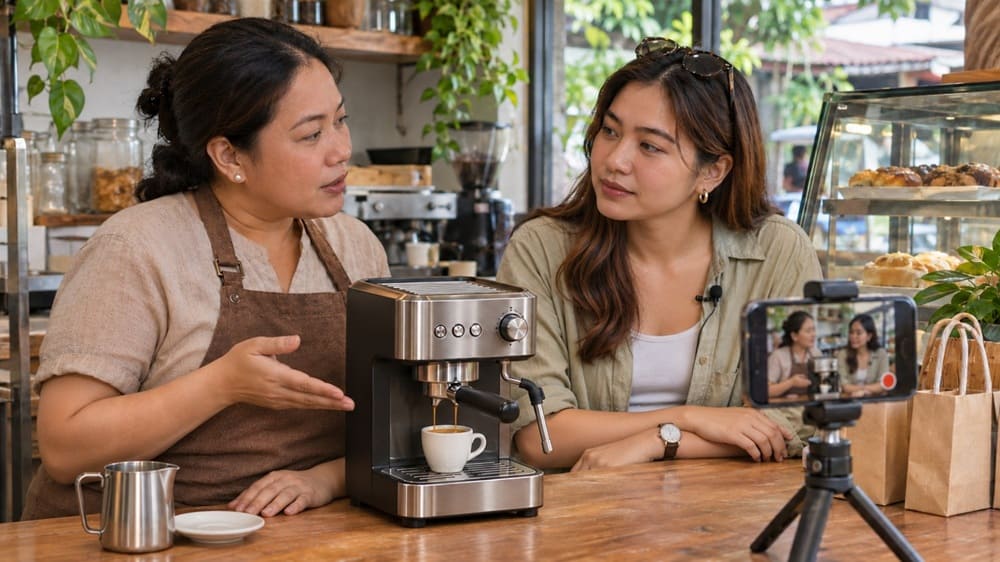
Filipino MSMEs don’t struggle to make a great product. The real challenge is getting strangers to trust them enough to buy on the spot.
Traditional advertising can build awareness, but it often cannot answer the question shoppers actually ask: Will this work for me? Increasingly, that answer is coming not from a polished brand campaign, but from a creator showing a product in real life: washing it, testing it, brewing it, or giving it to a pet. Shopee’s Affiliate Program is positioning that everyday demonstration as a growth engine for local businesses, connecting sellers with creators who can move shoppers from curiosity to checkout.
When a demo becomes an ad
Herah, a Filipino innerwear brand, learned this firsthand. Its products were designed around comfort and fit for Filipina women, but some benefits were difficult to communicate through a standard product listing.
Then an affiliate posted a simple video showing how Herah’s nipple covers could be washed with dishwashing liquid. The demonstration was practical, visual, and immediately useful. It did not rely on a celebrity endorsement or a large following. It relied on showing shoppers exactly how the product behaved in an everyday situation. Sales increased as a result.
That moment changed how Herah approached marketing. Rather than treating creators as interchangeable promotional channels, the brand began using Shopee’s Affiliate Program to discover niche creators, track performance, and identify the kinds of content that genuinely converted. It eventually built an internal team dedicated to creator partnerships.
“Hindi ka mapapahiya when you recommend Herah. When someone recommends us to their friends, family, and followers, they’re putting their own reputation behind the product. We want to make sure we deserve that trust,” said Ryan Uy, CEO of Herah.
Trust, tested in real life
For Hyperbrands, the company behind pet-care brands Dentalight and Moochie, credibility comes from a different source: pet owners themselves.
Its affiliates are often people who already live with the problem the product solves. They can say whether a treat actually interests a picky pet, whether a food brand delivers on its promise, and whether a product fits into the messy reality of caring for an animal. That kind of endorsement is difficult to manufacture through conventional advertising.
Hyperbrands also learns straight from its creator content. They check Shopee data to see what actually catches shoppers’ attention, figure out which formats work, and tweak their strategy using real numbers instead of guesswork. When a video does better than expected, it just proves testing new ideas pays off.
“Those moments remind us that there is always more to learn. Even when we think we have found a winning approach, creators bring fresh ideas that encourage us to keep experimenting and exploring,” said Luis Gan, CEO of Hyperbrands.
Making unfamiliar products feel normal
B Coffee Co. faces a different challenge: category education. The Filipino-owned coffee capsule brand, launched in 2020, wants to make barista-quality coffee more accessible and affordable at home. But for shoppers who have never used a home coffee machine, the product can feel unfamiliar, even intimidating.
Creators help close that gap by showing the product in context. Instead of listing specifications, they show coffee being brewed beside a laptop or on a kitchen counter, making the ritual feel achievable rather than aspirational.
“A product listing can explain what a coffee machine does. A creator can show why you would want one beside your laptop or on your kitchen counter,” said Miguel Guerrero, CEO of B Coffee.
Because shoppers can move directly from creator content to purchase on Shopee, the distance between inspiration and checkout is short. “For a growing brand, having inspiration and checkout in the same journey is powerful,” Guerrero added.
A wider creator economy
The shift is not limited to the three brands. Shopee’s KOLLAB initiative helps businesses meet creators directly and explore collaborations, reducing the friction of finding the right partners. In 2026, Shopee held more than 30 KOLLAB events, connecting over 100 brands with more than 500 creators and affiliates.
The program has also expanded beyond Metro Manila. KOLLAB’s Cebu and Davao editions partnered with local creator networks, giving businesses access to creators with stronger regional relevance and community ties, an important advantage in a market where local language, culture, and everyday context can shape purchasing decisions.
For creators, the model offers a practical way to earn by sharing products they already use or believe in. Shopee’s affiliate platform allows participants to earn commissions on qualifying purchases made through their shared links.
The new marketing equation
The lesson emerging from these businesses is simple: for MSMEs, trust can function like an advertising budget.
A creator showing how a product actually works explains more than any product page ever could. A real pet owner’s story proves a claim way better than a catchy slogan. Even a quick clip of someone brewing coffee at home can make an unfamiliar brand feel like a daily routine. When that content drives a direct sale, it stops being just an ad and turns into a real, trackable revenue stream.
“Through our Affiliate Program and initiatives like KOLLAB, we’re making it easier for MSMEs to connect with the right creators and turn content into real business results. We’ll keep investing to make these opportunities accessible to more businesses and creators across the country,” said Jack Ng, Head of Commercial, Shopee Philippines.
Filipino small businesses don’t need a bigger ad budget to win customers. Real marketing starts with someone holding up a product, pressing record, and showing exactly why it works.



You must be logged in to post a comment Login