
Enterprise
MCIA Eyes Bigger Role in Cebu’s Growth as Post-Forum Push Shifts to Implementation

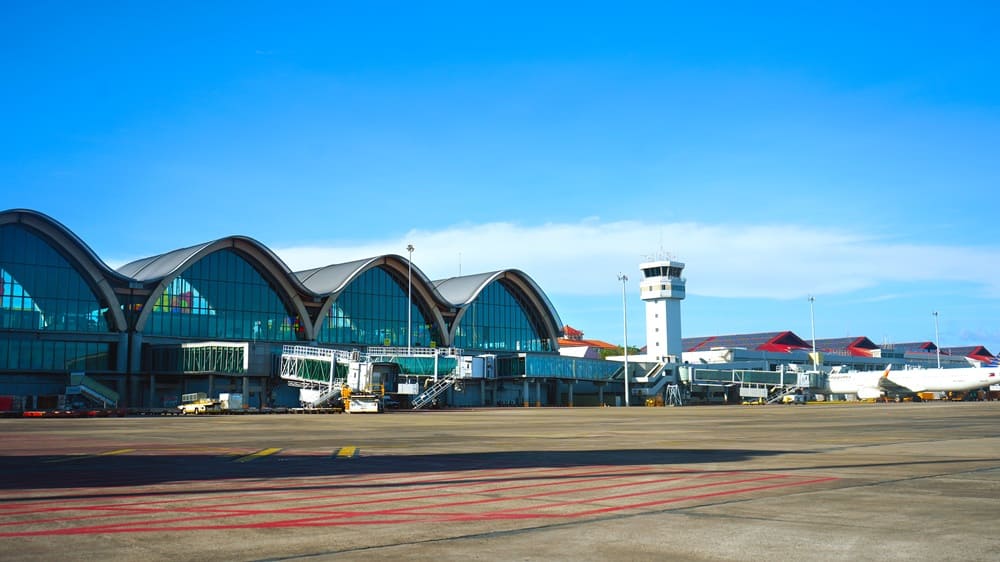
With the Cebu Economic Forum 4.0 behind it, the province is turning to the work of converting investment interest into projects, and the Mactan-Cebu International Airport (MCIA) is positioning itself as a key part of that effort.
MCIA, operated by Aboitiz InfraCapital Cebu Airport Corporation since 2024, is serving as a main link between Cebu and domestic and international markets, according to Aboitiz InfraCapital (AIC).
“As Cebu moves from investment conversations toward implementation, critical infrastructure has to be ready to support that growth,” said Rafael M. Aboitiz, AIC vice president and head of airports. He said MCIA’s role is to provide the connectivity, capacity, and quality of service that let people and businesses move more efficiently through the province.
Forum sets the agenda
The forum, held September 8 to 9, gathered government officials, business leaders, financiers, local government units and investors. Participants discussed opportunities and pathways for investment, infrastructure development and public-private partnerships (PPPs).
The Cebu Provincial Government described Cebu as one of the country’s major centers for commerce, logistics, finance, tourism, education and professional services. It said the province can strengthen its role as a gateway between the Visayas and Mindanao by connecting capital, markets, enterprises and investment opportunities across the southern Philippines.
For companies weighing where to locate, AIC said, infrastructure is part of the investment proposition itself. The ability to move people and goods, reach markets and access destinations can influence where businesses choose to invest and expand.
Traffic keeps climbing
MCIA handled 11.6 million passengers in 2025, nearly 3 percent higher than the 11.3 million recorded in 2024. The 2024 figure was itself a 13 percent increase from 2023.
AIC said the numbers reflect continued demand for Cebu as a destination for business, tourism and travel, and underscore the need for sustained investment in airport infrastructure and operations. It said the company has pursued that investment since taking over airport management in 2024.
ASEAN events a test
Airport operations were tested this year, when the Philippines assumed the ASEAN Chairship and Cebu hosted a series of regional meetings. These ranged from the ASEAN Tourism Forum in January to the 48th ASEAN Summit in May, drawing leaders, ministers, senior officials and delegates from across the region. Many arrived and departed through MCIA.
AIC said the airport worked with the Department of Transportation, the Civil Aviation Authority of the Philippines and the Mactan-Cebu International Airport Authority to prepare for the influx of international and domestic arrivals. Preparations covered airport operations, passenger flows, aircraft movements and the requirements of hosting high-level delegations.
The company said the experience showed how infrastructure investment can expand Cebu’s capacity to host major regional events and capture the opportunities that come with them. It added that airports must be built for future demand as well as present needs, so the province can respond as new economic, tourism and international opportunities emerge.
New services, new routes
MCIA has also added services aimed at easing travel through the airport.
CEB Connects is an air-to-air transfer service designed to make connections between international and domestic flights shorter and more seamless. CEB+, introduced in 2025, a short air-to-sea transfer connecting the airport to Mactan Wharf and nearby island destinations. An Overseas Filipino Workers Lounge and Facilitation Center, launched with the Department of Migrant Workers, the Overseas Workers Welfare Administration, and Cebu Pacific under MCIA’s CEB Balik initiative. It positions the airport as a gateway for OFWs traveling through the Visayas and Mindanao.
On the network side, United Airlines flights began serving MCIA in 2024. New international routes were also launched, including Cebu–Kuala Lumpur, Cebu–Hanoi and Cebu–Brisbane, with more in the pipeline, AIC said.
From pipeline to projects
AIC said the forum highlighted a basic challenge for growing economies: attracting investment is only the first step. Turning opportunities into actual businesses, projects and jobs requires an infrastructure ecosystem able to support them.
With expanding capacity, growing connectivity and continued infrastructure investment, the company said, MCIA is helping give Cebu the gateway it needs to move people, businesses, goods and opportunities.
“As Cebu advances its investment pipeline, MCIA’s role will increasingly be measured not only by how many passengers pass through its terminals, but by how effectively its infrastructure helps connect the province to the economic opportunities beyond,” the company said.



You must be logged in to post a comment Login