
Technology
Scammers Move In Seconds. Can the Philippines’ Anti-Fraud System Keep Up?

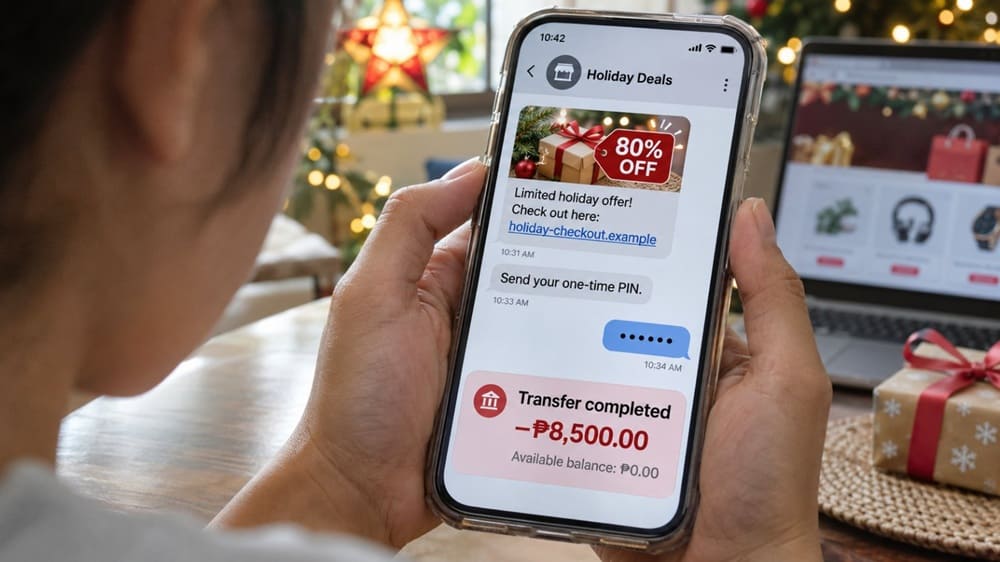
A fake seller’s message, a too-good-to-be-true holiday promo, a link that looks almost legitimate, then a one-time PIN is shared, and money is gone. In digital fraud, criminals move in seconds. Maya says the Philippines must do the same, calling on government, banks, telcos, and consumers to respond with equal speed.
The digital financial services platform backed the Department of Justice–Office of Cybercrime’s (DOJ–OOC) CyberReady Campus Tour at the University of the Philippines–Diliman, using the event to call for tighter, faster coordination across the institutions that can stop a scam before funds disappear.
A system that must act in real time
Kristoffer Rada, Maya’s head of corporate affairs, said protecting consumers cannot rest on regulation alone. It requires government agencies, financial institutions, telecommunications companies, and law enforcement to share information and respond quickly when suspicious transactions emerge.
“A safer digital space needs everyone around the table,” Rada said, framing scam prevention as a shared responsibility rather than a problem for any single bank, agency, or consumer.
The Philippines already has important legal tools, including the Anti-Financial Account Scamming Act (AFASA) and implementing regulations from the Bangko Sentral ng Pilipinas (BSP). These measures create pathways for addressing suspicious transactions, coordinating verification among financial institutions, and supporting investigations.
While the legal framework is already in place, Rada emphasized that its effectiveness depends on execution. The real test is whether institutions can coordinate and act quickly enough to stop fraud while it is still unfolding.
“Laws and plans work when we can put them into practice,” he said, stressing timely responses, coordination, and assistance for consumers affected by fraud.
Students as the first line of defense
The DOJ–OOC’s CyberReady Campus Tour brought that message directly to students and faculty at UP Diliman, in partnership with the university’s Office of the Vice Chancellor for Student Affairs and Data Protection Office. The session focused on recognizing online scams, protecting personal information, and responding to cyber threats.
Maya positioned students not simply as potential victims, but as multipliers of safer digital behavior, people who can warn parents, relatives, and friends before they transfer money to a fraudulent account.
Rada encouraged attendees to recognize common scam tactics, safeguard personal and financial information, and promote safer habits within their families and communities.
That matters especially as the holiday shopping season approaches, when fake online promotions, suspicious links, and fraudulent payment requests tend to rise. Maya urged consumers to verify sellers and payment instructions before sending money, and never to share passwords or one-time PINs (OTPs).
From awareness to action
Maya’s anti-scam push extends beyond campus seminars. Its Scam Patrol campaign and Financial Fitness Program promote fraud prevention, responsible financial behavior, and safe use of digital financial services.
The company also gives customers tools to act quickly through its Maya Security Center, where users can review login history, set transfer limits, and freeze eligible credit cards. Those controls are designed to help customers spot unusual activity and limit damage before it spreads.
Maya is likewise part of the Technical Working Group on Financial Cybercrime Concerns convened by the DOJ–OOC, alongside the Department of Trade and Industry, BSP, National Telecommunications Commission, telecommunications companies, and key financial institutions.
It also supports the Cybercrime Investigation and Coordinating Center’s Scam Safe initiative and has joined multi-stakeholder efforts with the Philippine National Police, Securities and Exchange Commission, and other public- and private-sector organizations.
The bigger question
The challenge now is whether the country’s anti-fraud machinery can become as immediate as the scams it is trying to stop: a suspicious account flagged quickly, a payment held before it is withdrawn, a victim guided to help without delay.
“We should not have to choose between greater financial access and stronger protection,” Rada said. “The Philippines needs both.”
For millions of Filipinos increasingly managing money through their phones, that may be the real test of digital finance: not just how easily money moves, but how quickly the system can stop it from moving into the wrong hands.
Digital Safety Checklist
Use this before paying online, responding to a message, or managing your financial accounts. The core rule: verify first, never rush, and never share access codes.
Before you click or pay
- Pause before acting on messages that create urgency, such as “your account will be blocked” or “claim your prize now.”
- Check the sender’s email address, website URL, and message wording for signs of spoofing or impersonation.
- Do not click links or open attachments from unexpected texts, emails, or social-media messages.
- Type the official website or open the official app yourself instead of using a link sent to you.
- Verify online sellers, promo pages, and payment instructions independently before sending money.
- Be extra cautious with holiday sales, giveaways, investment offers, and requests for urgent payment.


You must be logged in to post a comment Login