
Technology
How Do WiFi Vending Machines Deliver Internet Access?

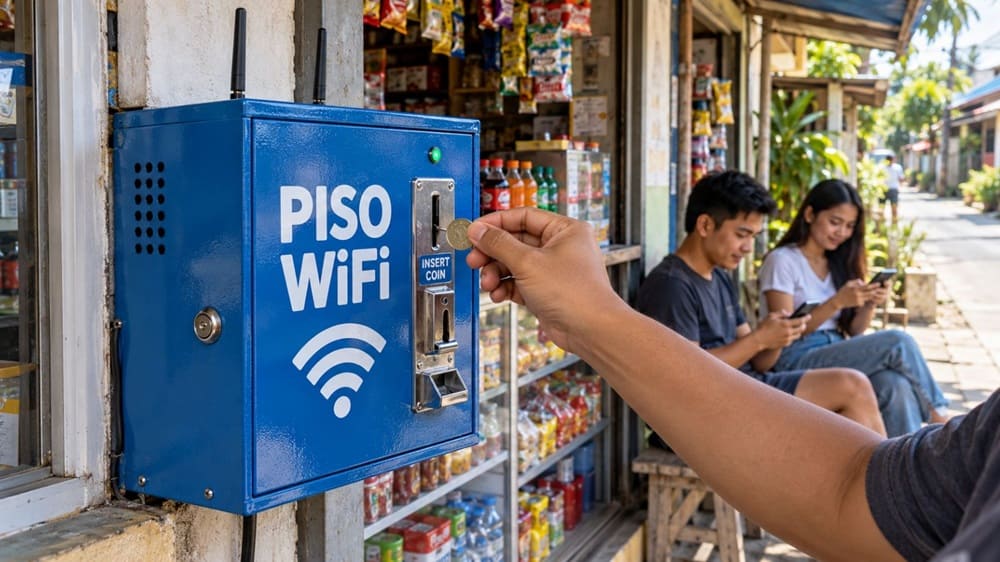
Internet access is no longer limited to traditional broadband connections or mobile data plans. In some public locations, users can purchase temporary internet access through WiFi vending machines, a self-service systems that provide paid WiFi access for a specific amount of time or data.
These machines are commonly operated by public WiFi providers, small business owners, hostels, transport terminals, and community internet operators. Instead of asking a staff member for a password or paying someone manually, users can select a package, make a payment, and receive access credentials through the machine or an online portal.
WiFi vending machines are especially useful in places where people need low-cost, short-term connectivity, including markets, boarding houses, hostels, waiting areas, schools, transport terminals, and public spaces. But how exactly does a WiFi vending machine deliver internet access? Let’s take a closer look.
What Is a WiFi Vending Machine?
A WiFi vending machine is a self-service system that allows users to purchase access to a wireless internet network. While it may resemble a conventional vending machine that dispenses drinks, snacks, or other products, it does not provide a physical item. Instead, it provides digital access or authorization to use a WiFi network.
Users typically choose an internet package based on time, data allowance, or both. For example, a customer may pay for 30 minutes of access, three hours of access, unlimited access for one day, or a certain amount of data such as 1 GB.
Once the system confirms the payment, it gives the user the information needed to connect. This may include a username and password, a voucher code, a temporary PIN, a QR code, or automatic access through the device’s browser.
A typical WiFi vending system may include the following components:
- A captive portal or login page, often accessed through a local IP address such as 10.0.0.1
- A payment interface for coins, bills, e-wallets, QR payments, cards, or vouchers
- A display screen or touchscreen where users select an internet package
- A WiFi access point that broadcasts the wireless signal
- A router or gateway that manages traffic between users and the internet
- An upstream internet connection from an ISP or network provider
- Authentication software that verifies users after payment
- A user-management system that records sessions, payments, and device activity
- An access-control mechanism that limits internet use based on time or data allocation
- A receipt or ticket printer in some installations
In many setups, the vending machine itself does not contain the main internet connection. Instead, it works with separate networking devices, such as a modem, router, gateway, access point, and server, to control who can use the internet and for how long.
How Does a WiFi Vending Machine Work?
The basic process is straightforward. A customer approaches the machine or joins the WiFi network, selects a suitable internet package, and pays using one of the available methods. The package may provide access for a specific amount of time or a specific amount of bandwidth.
Once payment is confirmed by the system, the user is authorized to access the WiFi network by providing a username and password, a temporary access code, a voucher code, a session token, or a QR code. The user can then use the supplied information to gain access to the network.
The provided network is authenticated by the system, and once authentication is completed, the user is provided internet access. The system associates authorization with a specific period, device, or usage allowance.
Most public WiFi systems use a captive portal. A captive portal is a website that appears when a user initially connects to a WiFi network. The captive portal is usually responsible for directing users to a login page or payment page and handling authentication.
The exact process varies between WiFi vending systems, but the underlying concept is pretty much the same.
Where Does the Internet Connection Come From?
The vending machine does not create an internet connection by itself. Instead, it uses an upstream connection provided by an ISP or another network operator. The internet connection could be a fixed wireless broadband connection, cable internet, DSL, or fiber broadband. The upstream connection provides internet access into the network infrastructure.
Usually, there is a Modem/ONT, which is connected to a WiFi Router/Gateway, which acts as a WiFi Access Point and broadcasts a wireless network that customers can connect to.
How the System Controls Internet Access
A key function of a WiFi vending machine is access control. Without it, anyone within range could connect to the WiFi network without paying.
The system uses authentication software and network rules to identify which devices are allowed to use the connection. When a customer pays, the system may authorize the device through its MAC address, login credentials, voucher code, or a temporary session token.
Limitations and Considerations
Although WiFi vending machines are convenient, their performance depends heavily on the quality of the internet connection and the network setup.
If too many people connect at the same time, speeds can become slow. A weak WiFi signal, poor router placement, outdated equipment, or limited ISP bandwidth can also affect the customer experience.
Operators should also pay attention to security. Public WiFi networks can expose users to privacy risks if the network is poorly managed. Users should avoid entering sensitive information, such as bank passwords or private account credentials, on unsecured public networks whenever possible.



You must be logged in to post a comment Login