
Lifestyle
Fibermaxxing: The Viral Fiber Trend Worth Trying Carefully

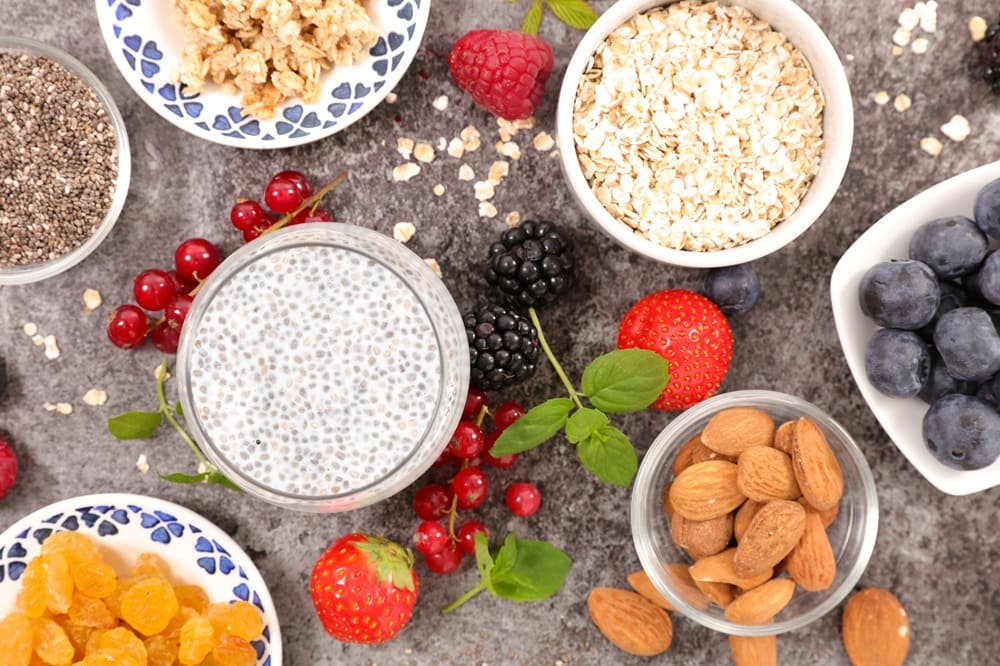
Fibermaxxing is the social-media practice of deliberately increasing daily fiber intake, often by filling meals with beans, vegetables, fruits, whole grains, nuts, and seeds. The underlying goal is that most people eat too little fiber, and raising intake can improve digestion, heart health, and blood-sugar control. But “maxxing” can become a problem when people jump from a low-fiber diet to very high amounts overnight.
What the trend means
The term comes from internet slang in which “maxxing” means optimizing or maximizing something. In nutrition, it usually means meeting or exceeding the recommended daily fiber target rather than simply eating a balanced diet. Mayo Clinic describes it as trying to eat “a ton of fiber,” at least meeting and often exceeding daily recommendations.
There is no single official definition. Some healthcare professionals place typical “fibrermaxxing” intake around 25-35 grams per day, while more extreme versions can push well beyond 50 grams daily.
Why fiber matters
Dietary fiber is the part of plant foods that the body does not fully digest. It supports bowel regularity, feeds beneficial gut bacteria, and helps stool retain water and bulk.
Higher fiber intake is associated with several meaningful health benefits:
Heart health: Soluble fiber can help lower LDL (“bad”) cholesterol and is linked to lower cardiovascular risk.
Blood sugar control: Fiber slows sugar absorption, which can help regulate blood glucose and reduce type 2 diabetes risk.
Gut health: Fiber supports a more diverse gut microbiome and regular digestion.
Appetite control: Fiber-rich foods increase fullness, which may make it easier to manage weight without restrictive dieting.
The evidence is broad enough that the BBC notes high-fiber diets have consistently been associated with reduced risk of cardiovascular disease, heart attack, stroke, type 2 diabetes, and colon cancer.
How much fiber is enough?
For most adults, a sensible target is the standard recommendation rather than an extreme “maximum.” The National Academy of Medicine recommends 25 grams per day for women and 38 grams for men ages 19 to 50.
| Group | Daily fiber target |
|---|---|
| Women ages 19-50 | 25 g |
| Men ages 19-50 | 38 g |
| Practical “fibremaxxing” range | Often 25-35 g |
| Potentially problematic intake | Above about 50 g/day, especially if increased suddenly |
The catch: too much, too fast
Fiber is beneficial, but it is not a case where more is always better. A sudden increase, especially from a very low-fiber diet to 70-90 grams per day, can cause gas, bloating, abdominal pain, constipation, or diarrhea.
Fiber absorbs water, so increasing intake without drinking enough fluids can actually worsen constipation. Very high intakes may also reduce absorption of minerals including iron, zinc, and calcium, particularly when fiber comes largely from supplements rather than varied whole foods.
Who should be cautious
People with certain digestive conditions should not treat fibremaxxing as a universal rule. Healthcare professionals advise extra caution or medical guidance for people with IBS, Crohn’s disease, ulcerative colitis, diverticulitis, gastroparesis, or a history of bowel obstruction.
If you experience persistent pain, vomiting, inability to pass stool or gas, or a major change in bowel habits after changing your diet, seek medical advice rather than pushing fiber intake higher.
A smarter way to do it
The healthiest version of fibremaxxing is less about chasing a number and more about gradually building a fiber-rich eating pattern.
- Increase slowly. Add one fiber-rich food or serving at a time over several weeks rather than overhauling everything in a day.
- Drink more water. Hydration helps fiber do its job and reduces the risk of constipation.
- Prioritize food first. Beans, lentils, oats, berries, apples, pears, broccoli, leafy greens, whole grains, nuts, and seeds provide fiber alongside vitamins, minerals, and other plant compounds.
- Spread it across meals. Adding fiber to breakfast, lunch, dinner, and snacks is easier on digestion than loading it all into one meal.
- Use supplements selectively. Powders such as psyllium can help some people, but experts caution that relying on supplements to “top up” can be unnecessary when whole foods are available.
Fibermaxxing is a useful trend when it means eating enough fiber consistently and a poor idea when it means competing to consume as much as possible. For most people, gradually moving toward the recommended 25-38 grams per day through varied plant foods, with adequate fluids, captures the benefits while avoiding the bloating and digestive setbacks that have made some versions of the trend controversial.



You must be logged in to post a comment Login