
#Prayvcorruption
Why Honest Pricing Builds Long-Term Customer Trust

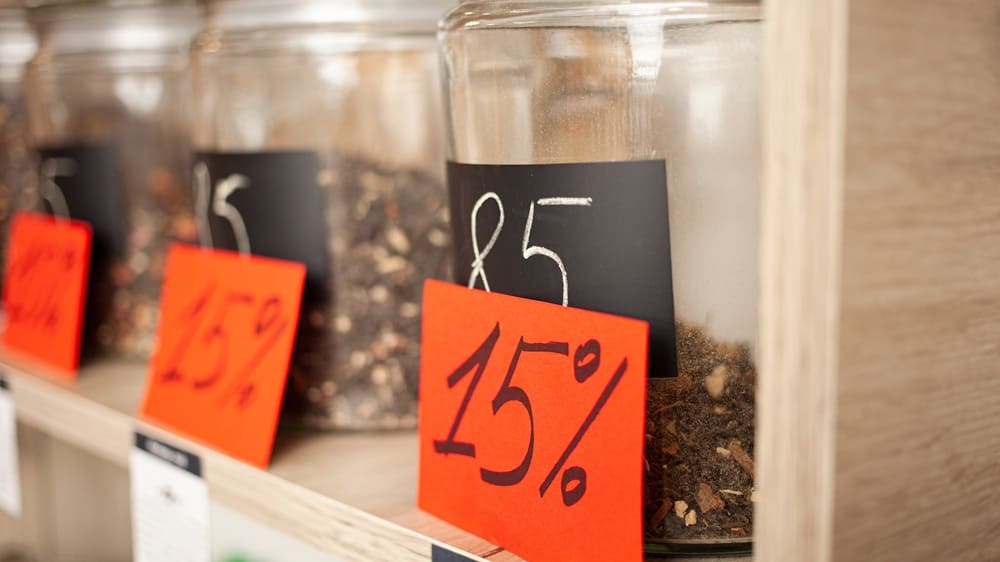
Honest pricing is one of the simplest ways a business can earn lasting customer trust. When people know exactly what they will pay and why, they feel respected, informed, and more confident about buying from you again.
What Honest Pricing Means
Honest pricing means presenting the full cost of a product or service clearly before the customer commits. It includes the base price, taxes, delivery fees, service charges, payment terms, and any conditions that could affect the final amount.
It does not necessarily mean being the cheapest option. A business can charge premium prices and still earn trust if customers understand what they are paying for and don’t run into unpleasant surprises later.
Hidden Fees Destroy Trust
Few things damage a customer relationship faster than discovering extra charges at checkout. In a survey of more than 1,000 adults, more than one-third said they felt frustrated when unexpected costs appeared during checkout, while 20% said they immediately abandoned their cart.
This practice, often called “drip pricing,” shows a low headline price first and adds mandatory fees later in the buying process. Even when the final price is technically disclosed, customers may feel misled because the information arrived too late to make a fair comparison.
Transparency Increases Willingness to Buy
Price transparency isn’t just an ethical choice. It can boost sales. Research in the Portuguese driving-school industry found that consumers were willing to pay a significant amount for price transparency, averaging 11% of the service price.
Harvard Business School research also found that revealing costs can foster trust and increase purchase interest. In a field experiment, diners were 21.1% more likely to buy chicken noodle soup when the sign included both ingredients and the cafeteria’s cost to make it.
Why It Builds Loyalty
Customers judge pricing not only by the amount, but by whether it feels fair. Clear pricing information helps people understand the value they receive, which improves their perception of fairness, satisfaction, and loyalty.
Trust also compounds over time. A customer who has a smooth, predictable purchasing experience is more likely to return, recommend the business, and forgive an occasional mistake. By contrast, one surprise bill can make even a satisfied customer question every future transaction.
How to Price Honestly
Show the total price early. Include taxes, shipping, setup fees, and required add-ons before checkout whenever possible.
Explain what is included. Break down packages, subscriptions, or services so customers know exactly what they receive.
Avoid last-minute charges. If a fee is mandatory, it belongs in the advertised price, not in the final step.
Use plain language. Replace vague terms like “processing fees” with a short explanation of what the fee covers.
Communicate price changes in advance. Give existing customers notice before renewals, rate increases, or subscription changes.
Make refunds and policies visible. Clear terms reduce uncertainty and show customers you are not relying on confusion to make a sale.
A Simple Example
A cleaning service could advertise “₱1,500 per session” but later add ₱300 for supplies, ₱200 for travel, and a “booking fee.” Customers may feel tricked even if the final total was technically available.
A more honest approach would be: “₱2,000 all-in per standard session. Includes cleaning supplies, travel within the service area, and booking. No additional fees.” The second price is higher on the surface, but it is easier to trust.
The Long-Term Payoff
Honest pricing turns a transaction into a relationship. It reduces disputes, lowers cart abandonment, improves customer satisfaction, and makes your brand easier to recommend.
For small businesses especially, trust is a competitive advantage. Customers may forget a slightly higher price, but they remember how a business made them feel and transparent pricing tells them, “You can rely on us.”














You must be logged in to post a comment Login