
Enterprise
When the Lights Go Out, Does Your Business Stay Open?

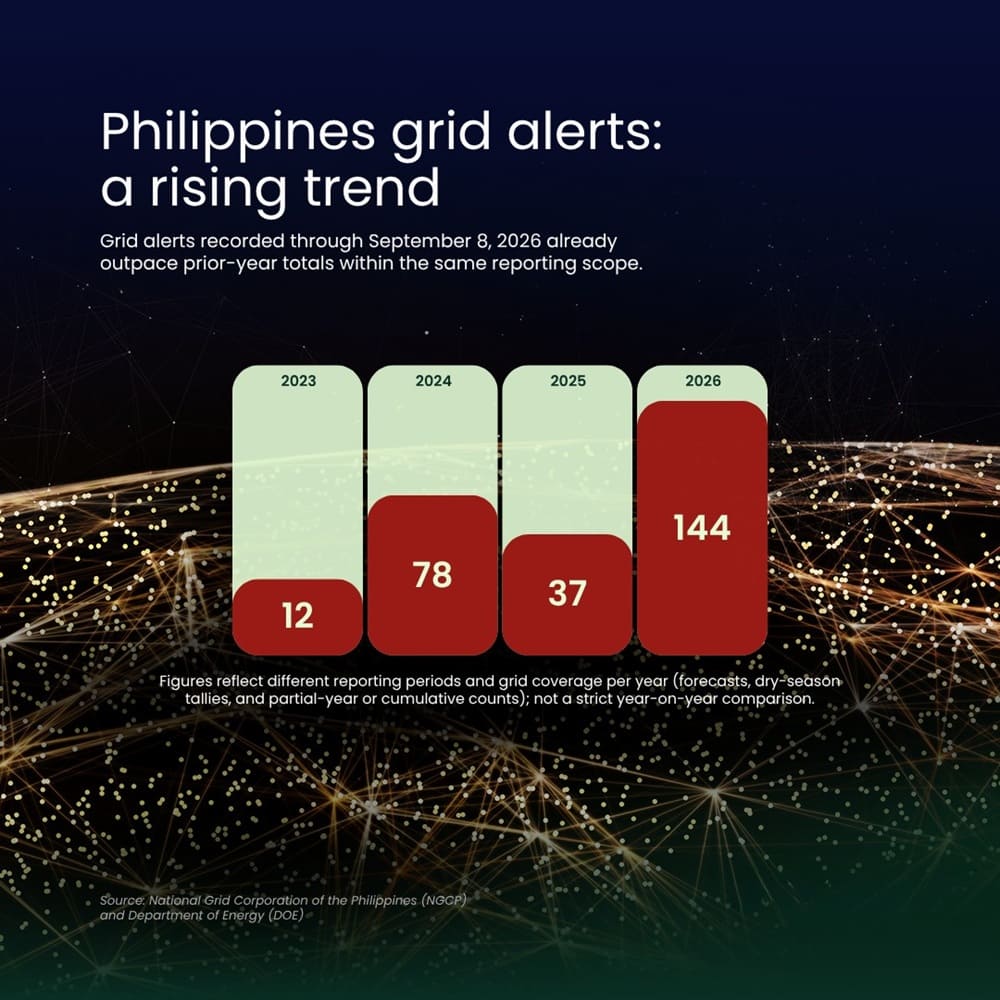
Power outages are becoming a year-round risk for Philippine MSMEs, driven by rainy-season storms and El Niño-strained grid reserves.
The next disruption to a Filipino Micro, Small, and Medium Enterprise’s (MSME) bottom line may not come from a slow sales day. It may come from five hours without power.
Power disruptions caused by rainy-season storms, plant outages, and El Niño-related demand surges are putting pressure on the country’s power grid. Even when electricity supply is considered sufficient, thin reserve margins can leave businesses vulnerable to alerts, brownouts, and rotating outages.
The real question for business owners is no longer, “Will an outage happen?”
It is: “How much will my business lose when it does?”
The Hidden Cost of a Brownout
For a digitally operated business, an outage can affect far more than lights and air-conditioning. A brief power interruption may:
- Stop a point-of-sale transaction mid-checkout.
- Disconnect routers and communication systems.
- Interrupt online orders and customer support.
- Corrupt data or damage sensitive electronics.
- Shut down CCTV, computers, servers, and network equipment.
- Force employees to pause operations.
These interruptions can quickly translate into lost revenue, frustrated customers, delayed orders, and unexpected repair or replacement costs.
Resilience Is a Business Advantage
According to Schneider Electric, resilience should not be treated as an emergency measure used only after something goes wrong. It can give businesses a competitive advantage.
“Disruptions are becoming more frequent, and digital operations are now central to how MSMEs run their business,” said Harold Lim, Country Solutions Head, Schneider Electric Philippines. “That shift is changing how we think about resilience, it’s no longer a contingency measure. It’s becoming a competitive advantage.”
Businesses that prepare in advance can recover faster, protect customer trust, and continue serving customers while less-prepared competitors remain offline.
Power Protection Beyond Backup
The APC Smart-UPS On-Line by Schneider Electric is designed to protect critical business equipment from outages and unstable power conditions.
Unlike standby UPS units that switch to battery only after an outage occurs, the Smart-UPS On-Line uses double-conversion technology. It continuously converts and cleans incoming electricity before delivering it to connected devices.
This helps protect equipment from voltage dips, power surges, electrical disturbances, brief interruptions, and unstable power conditions that may occur even when the lights remain on.
At full load, the unit provides approximately four to six minutes of battery backup, enough time for equipment to shut down safely or transition to another power source. With a lighter load, the battery can provide longer runtime.
Its multiple protected outlets can support several critical devices, while the built-in display allows business owners to monitor battery and system status. Rack and tower configurations are available for point-of-sale systems, computers, routers, servers, and other essential electronics.
A Practical Continuity Checklist
MSMEs can begin preparing for power disruptions by identifying the equipment that must stay operational:
- List systems that directly affect sales, communications, security, and data.
- Prioritize equipment such as POS terminals, routers, computers, servers, and CCTV systems.
- Determine how long each system needs to remain active during an outage.
- Connect critical equipment to an appropriately sized UPS.
- Create a safe shutdown procedure for prolonged interruptions.
- Regularly check battery health and system status.
- Keep an alternative power source or recovery plan ready.
A UPS cannot keep every business function running indefinitely, but it can provide crucial protection and time, two resources that can prevent a short outage from becoming a costly operational failure.
Building More Resilient MSMEs
Reliable power protection is becoming part of what it means to operate a resilient workplace. For growing Philippine businesses, safeguarding equipment and reducing downtime can help protect revenue, customer service, and long-term growth.
Schneider Electric also manufactures UPS units in the Philippines. Its Smart Factory in Cavite accounts for 60% of the company’s global UPS supply, making the country an important part of its worldwide power-protection operations.
Through its “Use Better, Use Longer, Use Again” campaign, Schneider Electric is also working toward its Net Zero by 2050 goal by promoting better materials, longer product use, and reuse. The company publishes environmental information, including carbon footprint and recyclability data for 120,000 products online.
For MSMEs, business continuity may start with a simple question: If the power goes out today, which parts of your business can keep going?



You must be logged in to post a comment Login