
Lifestyle
Cebu Marks World Diabetes Day With Free Screening, Counseling

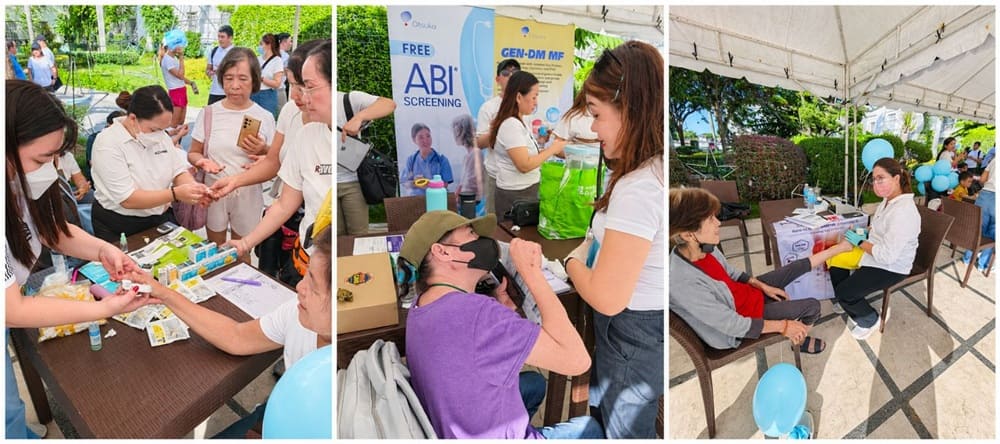
Cebuanos gathered at the Cebu Capitol Grounds on November 14 to observe World Diabetes Day through free blood sugar screening, health counseling, and community activities aimed at promoting early detection and prevention.
The morning event, held from 6 a.m. to 10 a.m., was spearheaded by the Philippine College of Endocrinology, Diabetes and Metabolism (PCEDM) in partnership with Chong Hua Hospital and the Cebu Provincial Government Public Health Office. It carried the global theme “Early Action on Diabetes,” which emphasizes timely testing, early diagnosis, and access to quality care.
Health activities for the community
Participants joined a Zumba session before receiving free blood sugar testing and counseling. The activities allowed residents to learn about their diabetes risk, understand the importance of regular screening, and receive guidance on maintaining healthier lifestyles.
The event also brought together participants to form a large blue circle, the internationally recognized symbol of diabetes awareness. The formation symbolized solidarity with people living with diabetes, their families, and health-care workers, while reinforcing the call for early action against the disease.
Local partners support the campaign
Dr. April Melody Abcede, a PCEDM board member, and Dr. Athena Mejia, president of the PCEDM Visayas Chapter, supported the initiative. Their participation highlighted the role of endocrinology specialists in bringing diabetes education and preventive care closer to communities.
Health advocates said the event was not merely a commemoration but a call to action. Diabetes can often remain undetected for years, making regular screening and early consultation essential.
A growing health concern
The campaign comes amid growing concern over the prevalence of diabetes in the Philippines. According to the International Diabetes Federation, an estimated 4.7 million Filipino adults aged 20 to 79 were living with diabetes in 2024.
More than half of them were believed to be undiagnosed. The same estimates linked 35,300 deaths among Filipinos in that age group to diabetes during the year.
Health advocates stress that early detection is critical since Type 2 diabetes can develop without noticeable symptoms for years. If left unmanaged, the disease can lead to serious complications, including vision loss, kidney failure, heart attack, stroke, and foot ulcers that may eventually require amputation.
However, early diagnosis, appropriate treatment, and sustained medical care can help prevent or delay many of these complications. The International Diabetes Federation said early action can save lives, prevent complications, and improve health outcomes by encouraging timely testing and continued care.
Know the warning signs
Residents were urged to pay attention to possible symptoms of diabetes, including excessive thirst, frequent urination, blurred vision, persistent fatigue, and unexplained weight loss.
Health advocates reminded the public that people should not wait for symptoms to appear before seeking medical advice. Those with a family history of diabetes or other risk factors are encouraged to consult their rural health unit, city health center, or primary care physician to determine whether they need blood sugar screening.


You must be logged in to post a comment Login