
Lifestyle
Forget Perfect: The Real Secret to Managing Type 2 Diabetes

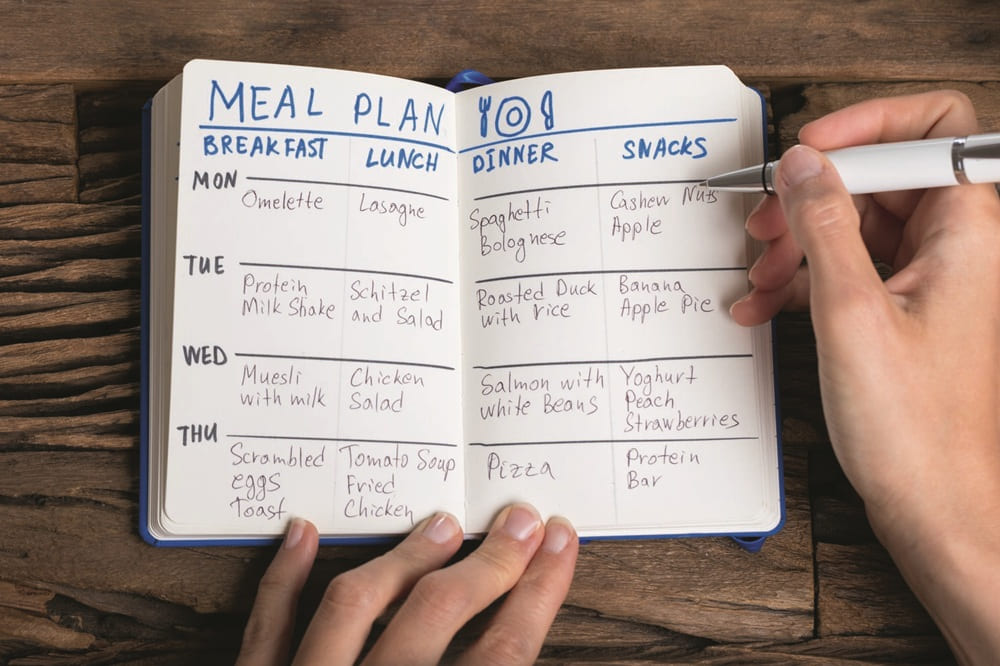
The challenge with type 2 diabetes is not knowing what to do. Most people have heard the advice: eat healthier, stay active, take medications as prescribed, and monitor blood sugar regularly.
The real challenge begins when those recommendations meet everyday life.
A meal plan that looks manageable on paper can become difficult between early morning commutes, long workdays, family obligations, and unexpected schedule changes. Exercise gets postponed. Meals are skipped or replaced with whatever is convenient. Even the best intentions can be derailed by an ordinary busy day.
That is why the real secret to managing type 2 diabetes is not perfection. It is consistency.
“If a diabetes management routine only works on a perfect day, it is not much of a routine,” says Dr. Gamaliel Tayao, Abbott’s head of medical affairs in the Philippines. “The useful question is what an individual with a health condition like diabetes can keep doing when their schedule changes.”
His observation reflects a growing understanding of diabetes care: sustainable habits often matter more than ambitious plans that are impossible to maintain. With diabetes affecting millions of Filipinos, this shift in mindset may be more important than ever.
That message aligns with the World Health Organization’s World Diabetes Day theme, “Early action on diabetes,” which emphasizes the value of early diagnosis, access to care, and daily choices that support long-term health.
The risk of treating diabetes as inevitable
As diabetes becomes more common in the Philippines, there is a risk that it will be treated as simply part of getting older. But accepting it as inevitable may be the greater danger.
The International Diabetes Federation estimates that about 4.7 million Filipino adults are living with diabetes, while many more have elevated blood sugar levels that could progress to type 2 diabetes without intervention.
The consequences of inaction can be serious. Over time, diabetes can increase the risk of heart disease, stroke, kidney disease, vision loss, and other complications. The earlier people take action, the greater their opportunity to manage blood sugar levels and reduce those risks.
But early action does not have to mean dramatic change. Often, it begins with practical decisions that can be repeated day after day.
Building habits for real life
Many people approach diabetes management as an all-or-nothing challenge. They commit to strict meal plans, intensive exercise programs, or major lifestyle overhauls. When those plans prove difficult to sustain, discouragement follows.
A more realistic approach is to focus on habits that fit naturally into existing routines.
Instead of eliminating favorite foods entirely, gradual substitutions can help improve nutrition without feeling restrictive. Choosing brown rice more often, reducing sugary drinks, or adding more vegetables to meals can make a meaningful difference over time.
Physical activity does not always require a gym membership or lengthy workout sessions. A short walk after meals, taking the stairs, or finding small opportunities to move throughout the day can support healthier blood sugar management.
Technology can also make consistency easier. Phone reminders can help people stay on schedule with medications, while glucose-monitoring tools can offer useful insights into how food, activity, sleep, and stress affect blood sugar levels.
Planning for imperfect days matters, too. For people who need additional nutritional support, Dr. Tayao notes that diabetes-specific nutrition such as Glucerna can be a practical option when preparing a balanced meal is difficult. Its slow-release carbohydrates are designed to provide steadier energy and support blood sugar response.
The key is creating a routine that can survive interruptions. Life will always include busy mornings, travel days, celebrations, and unexpected obligations. A resilient diabetes plan accounts for those realities instead of ignoring them.
Progress over perfection
Nutrition remains one of the most important parts of diabetes management, but even here, perfection is rarely practical.
There will be days when preparing a balanced meal is difficult. Having convenient nutrition options available can help prevent missed meals or impulsive choices. The goal is not flawless eating, but making better choices more often.
That philosophy applies across diabetes care. One missed workout, one indulgent meal, or one hectic week does not erase months of positive habits. What matters most is returning to the routine and continuing forward.
Small actions may seem insignificant in isolation, but their cumulative effect can be powerful. Drinking water instead of sugary beverages, taking medications consistently, walking after meals, or monitoring blood sugar regularly may not feel dramatic. Yet these habits form the foundation of long-term diabetes management.
A healthier future starts today
Managing type 2 diabetes does not require a perfect schedule, perfect meal plan, or perfect discipline. It requires a system that works on ordinary days as well as difficult ones.
The most effective diabetes routine is often the simplest: one built around realistic goals, sustainable habits, and steady progress.
Because when it comes to diabetes, success is not measured by perfection. It is measured by the small choices people continue making, again and again, even when life gets busy. Those choices, repeated over time, are what make lasting health possible.



You must be logged in to post a comment Login