
Lifestyle
The Quiet Hours That Decide a Life: What Families Should Know About Stroke

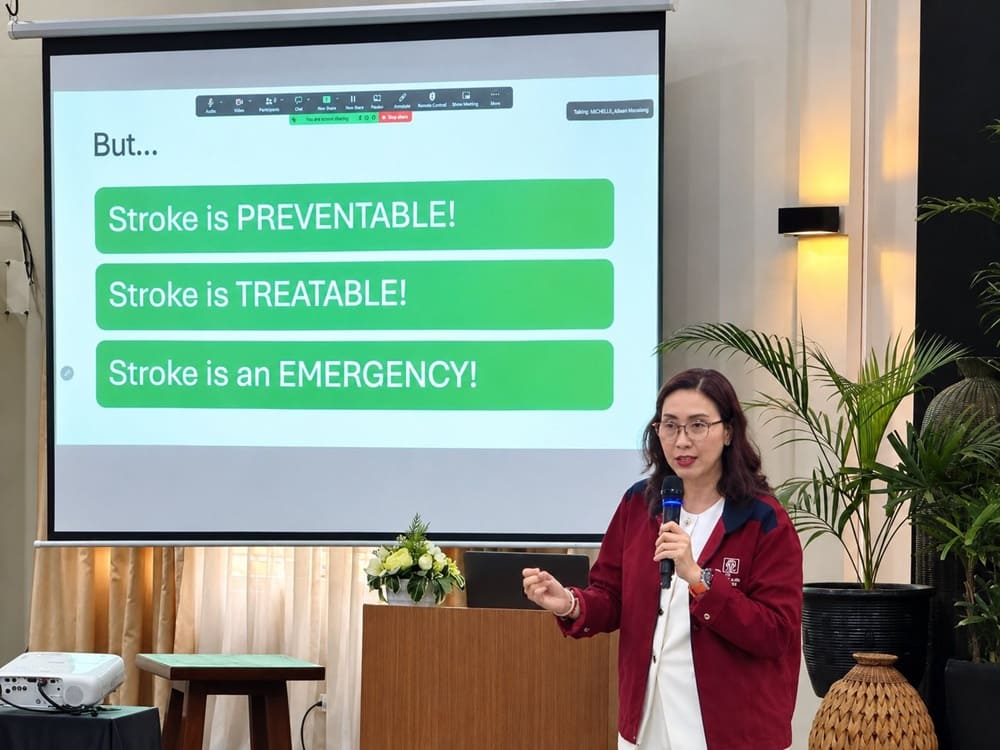
It often starts in the most ordinary moment: a parent suddenly drops a cup, a grandparent’s smile looks uneven, or a loved one’s words come out blurred. We may assume it is tiredness, low blood sugar, or “just high blood pressure.” But those small, strange changes can be the body’s loudest alarm.
In La Union, stroke remains one of the region’s leading causes of death, and for families in far-flung towns, reaching a hospital equipped for advanced stroke care can take two to four hours. That distance makes everyday awareness more than health advice. It becomes a family habit.
Every Delay Can Affect Recovery
“Some families still mistake stroke symptoms as a temporary episode of high blood pressure or initially seek treatment at home,” said Dr. Mary Grace Fabia-Mistica, Stroke Program Head of the ITRMC Brain and Spine Center and La Union Medical Center. “Every delay can affect a patient’s chances of survival and recovery.”
Her warning captures why stroke awareness belongs in everyday conversations at the dinner table, in family group chats, and during visits to elderly relatives. Stroke symptoms are sudden, and waiting to “see if it passes” can cost precious time.
Know the Signs Before You Need Them
The most useful thing a household can learn is not a complicated medical term, but a quick check: B.E. F.A.S.T.
Balance: Sudden dizziness, loss of balance, or trouble walking
Eyes: Sudden blurred, double, or lost vision
Face: One side of the face droops or feels numb
Arms: One arm becomes weak, numb, or drifts downward
Speech: Slurred speech or trouble understanding simple words
Time: If any sign appears, call emergency services immediately
Do not wait to see whether it passes. Do not wait for morning. Do not wait for a relative to arrive. Stroke care is time-sensitive: clot-dissolving treatment for eligible ischemic stroke patients is generally given within 4.5 hours of symptom onset, and earlier is better.
Bring Expertise Closer to Where Patients Are
La Union’s emerging StrokeLiNCS LU initiative seeks to connect hospitals through a hub-and-spoke model. Spoke facilities will focus on early recognition, initial stabilization, and rapid referral, while hub hospitals such as ITRMC and LUMC provide advanced stroke services.
“The model does more than move patients,” Dr. Mistica explained. “It helps bring expertise closer to where patients are. By reducing delays and creating faster, more coordinated referrals, we can improve outcomes and help save more brain function when every minute counts.”
For families, that means the first decision still happens at home: recognizing the signs, calling for help, and noting the time symptoms began.
Prevention Is a Daily Practice
Stroke risk is shaped not only by age or family history, but by the routines we repeat: meals, movement, sleep, stress, and whether blood pressure is monitored.
“Stroke is not only a major health problem. It also places a significant financial burden on patients, families, and communities,” said Dr. Ivy Ico of the Provincial Department of Health Office–La Union. Her point is a practical one: prevention protects not only health, but also a family’s finances, time, and future.
Small habits can help lower risk:
- Have blood pressure checked regularly and follow prescribed maintenance medicines.
- Choose more vegetables, fruits, whole grains, fish, and healthier fats; cut back on salty, fried, and processed foods.
- Move regularly about 30 minutes most days, or at least 150 minutes of moderate activity weekly.
- Avoid smoking, limit alcohol, manage stress, and protect sleep.
A Whole-of-Community Effort
“Improving stroke care requires a whole-of-government, whole-of-society approach involving national agencies, local governments, hospitals, healthcare professionals, patient advocates, and communities,” Dr. Ico said.
That shared responsibility begins with something simple: knowing what a stroke looks like and refusing to wait. La Union may be strengthening its hospitals and referral pathways, but the first line of defense remains the people who notice when something is wrong.
Because a stroke may begin quietly, but the response does not have to be uncertain. In your home, awareness can be the first act of care.



You must be logged in to post a comment Login