
Market & Mainstreet
Russia Redirects Oil to Asia as Middle East Supply Snarls Persist

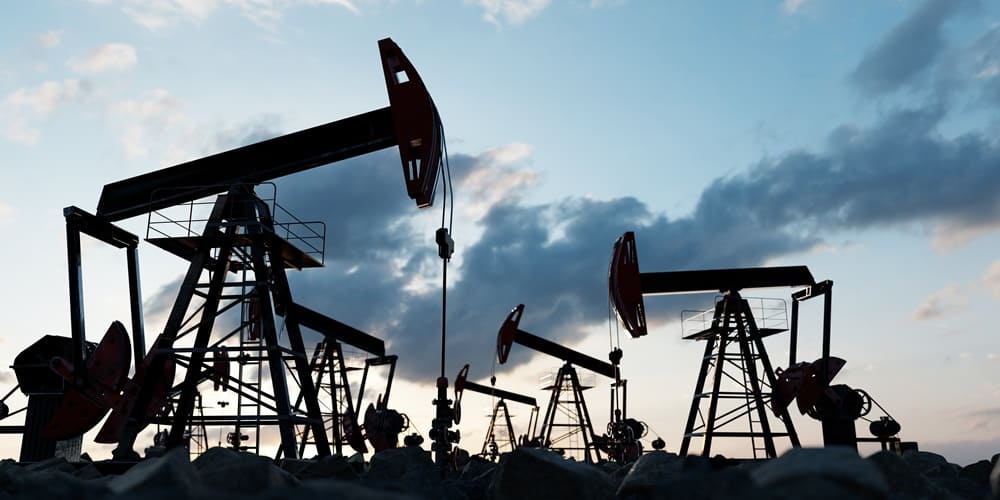
Russia is preparing to send more crude oil to Asia in August, capitalizing on strong demand from India and China as Middle Eastern supplies remain constrained by the prolonged disruption at the Strait of Hormuz.
Export Volumes Rise Amid Refinery Outages
Shipments from Russia’s key western ports, Primorsk and Ust-Luga on the Baltic Sea, and Novorossiysk on the Black Sea, are expected to total about 2.7 million barrels per day (bpd) in August, up roughly 4% from July’s 2.6 million bpd, according to traders cited by Reuters. The increase comes as Ukrainian drone strikes have damaged Russian refineries, cutting domestic processing capacity and freeing up more crude for export.
While loadings are projected to run near capacity, ongoing strikes and a tight global tanker market may limit how much additional volume can actually move.
India and China Lead the Buying Surge
India’s imports of Russian crude hit a record 2.78 million bpd in July, up slightly from 2.74 million bpd in June, with Russia now supplying more than 55% of India’s total crude needs, according to ship-tracking data reported by India Today. Discounts on Russian Urals crude for Indian delivery have narrowed significantly, with late August and September cargoes offered at just $1–$3 per barrel below dated Brent, down from wider discounts earlier in the year.
Chinese refiners have also stepped up purchases. Two major buyers secured most of Russia’s ESPO Blend cargoes for September loading at tighter discounts, as the Hormuz disruption has limited access to traditional Middle Eastern suppliers.
The Hormuz Disruption Reshapes Global Flows
The Strait of Hormuz, which normally handles about 20% of global oil shipments, has been effectively closed since March 2026, marking the largest oil market disruption in history, according to the World Bank. Commercial traffic remains sharply reduced, with little progress reported in U.S.-Iran negotiations as of June, per PBS. The closure has pushed Brent prices higher and forced Asian buyers to seek alternative suppliers, with Russia emerging as a primary beneficiary.
Implications for Global Markets and Philippine Stakeholders
For finance and trade professionals in the Philippines, the shifting oil landscape underscores several key risks and opportunities:
Higher energy costs: Tighter global supply and elevated Brent prices could feed into higher fuel import bills for the Philippines, which relies heavily on seaborne crude and refined products.
Trade flow realignment: Asian refiners’ increased reliance on Russian crude may alter shipping routes and freight dynamics in the Indo-Pacific, potentially affecting Philippine port activity and logistics planning.
Investment signals: Persistent supply disruptions and price volatility may accelerate regional interest in energy diversification, including renewables and strategic petroleum reserves.
As the situation evolves, monitoring Russian export data, Hormuz-related developments, and Asian refining margins will be critical for assessing near-term energy market direction and its knock-on effects on Philippine inflation and trade balances.



You must be logged in to post a comment Login